
Dry Riser UK Guide: Expert Installation, Servicing & Maintenance for Safer Buildings
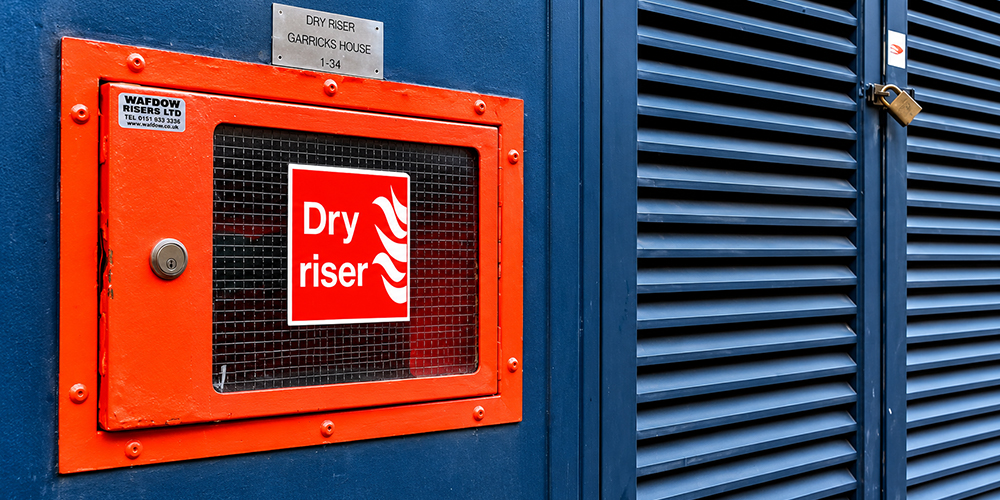
Walk into most towering buildings and the dry riser is invisible. A pipe runs up the stairway, landing valves are behind a small door, and a locked cabinet is near the entrance. It’s ignored until a fire, when it means more than practically anything else in the structure. If you manage or operate a building, business, school, or care home, this tutorial explains how a dry riser UK system works and how to maintain it.
What a Dry Riser UK System Does
The pipe is usually empty, hence its name. Firefighters exert pressure on the water in a system of pipes by attaching pumps to the inlet at ground level. Each storey of the building has access points, thus keeping firefighters from lifting hefty lengths of hoses up the stairs as they deal with a raging fire.
Dry risers are required in UK constructions over 18 meters. Above 50 meters, wet risers are filled with water and fed by pumps. Simple concept, but only if all parts work. Firefighters can lose minutes due to a sixth-floor valve or fractured inlet cap.
Dry Riser Installation: Plan It Early
A good dry riser installation begins before a spanner is used. The intake goes where? Can an appliance park nearby? Will stairwell lobby landing valves stay clear after tenants move in? Drawing these questions is easier than answering them on site with boarded walls.
Installation is needed in several situations. An updated riser should be installed and inspected in advance so that the first residents can occupy a tested building. As floor plans are changed during refurbishments, a valve that was once simple to locate may now be blocked by a partition. When a building undergoes a change of function, as is the case with office buildings being turned into apartments, the fire safety approach must be updated.
Specialized condition-based hiring is a time and money saver. Once walls are finished, modifications to the plumbing become complicated and costly. A company that offers the service of installing pipes, such as Dry Riser Solutions, can do the necessary planning to facilitate testing and provide access to valve and other fitting locations.
What Dry Riser Servicing Involves
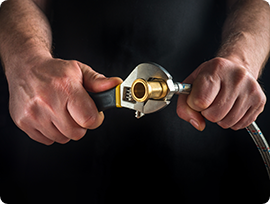
Many folks book dry riser servicing without knowing what the engineer will do. The visit is more hands-on than expected. The opening of the intake cabinet allows the examination of caps and washers. Landing valves are then tested for leaks and other issues, such as jammed spindles, missing blanking caps, and worn-out seals on each floor. The base drain valve and piping are inspected for corrosion and damage.
Most companies follow the standards listed in BS 9990. This allows companies to conduct visual inspections every six months and implement wet pressure tests every year (the system is filled with water and left at 12 bar for 15 minutes). In most cases, any problems spotted are minor ones. It is easy and cheap to replace a broken washer or remove a jammed valve if they are discovered early on.
Dry Riser Maintenance Between Visits
Only formal testing is half the story. Dry riser maintenance often slips in the months between engineer visits.
Padlocked inlet cabinets lose their keys. Contractors put pallets in front of the fourth-floor landing valve cupboard. The lobby is repainted above the valve spindle. Although minor, these delays add up.
Habits are easier than procedures. Ask your caretaker, concierge, or site manager to inspect the inlet and two landing valves for anything unusual during their rounds. Keep a simple diary or notebook for these engineers’ reports. If ever an insurance or fire officer asks, you will have proof that the system was maintained.
Dry Riser Servicing for Different Buildings
The correct strategy to dry riser service varies by site since the same equipment responds differently.
High-rise apartments are most vulnerable since residents rely on them and sleep there. This is compounded by the risk of compromising stairwells, and management teams must supervise access points as well as the condition of these areas.
Mixed-use and office structures encounter unique issues. During tenant movements, there can be a possibility of the loss of responsibility for this part of the building. It is important to verify that your rental arrangement discusses testing.
Buildings housing hospitals, schools, and nursing homes have to schedule carefully. Staff needs consulting as the building must be evacuated, and this has to be done with special consideration for the working hours.
Thus, warehouses and factories use long pipelines with many exposed inlets. Delivery vehicles can damage cabinets, and valve switches can fail due to temperature and moisture changes.
Staying Compliant with Dry Riser Maintenance Records
The law pertaining to fire safety in the UK states that building owners should take care of firefighting equipment. The guidelines set forth by the BS 9990 organization are vital for both the owners and inspectors of dry risers.
Usually, such compliance requires one to keep various documents. One needs to gather all certificates of testing, defect reports, and invoices in one single place and keep track of inspection records. This documentation needs to be handed over to the new management.
Do not presume that if you received the building, no one knows when it was examined last. Conducting only the baseline inspection and pressure test will help you plan the repairs.
Picking a Dry Riser Installation and Servicing Partner
When evaluating contractors, don’t just compare price. Ask if engineers are BS 9990-trained. Check for spares. Try to interpret an example report without fire safety knowledge. The flexibility to cover many sites and reviews from other property managers help you avoid using different companies for each building.
Dry Riser Solutions serves facilities firms, block managers, developers, municipal governments, and care sites nationwide. That variety of work means its engineers have seen most riser issues, which is helpful when you need a speedy diagnosis rather than a protracted investigation.
One Last Thing on Dry Riser UK Upkeep
Nobody likes buying stuff they’ll never use. However, a dry riser system rewards tiny, consistent attention over large bills. Install and maintain dry risers properly, and don’t let maintenance go between visits.
If you forget when your riser was tested, that’s your cue. Book an inspection this month to assess your situation.
FAQ’s
Where can I find reliable dry riser UK service providers?
Choose firms with BS 99990-trained engineers, clear example reports, and good customer ratings. Dry Riser Solutions covers multiple sites countrywide, which suits building managers.
Can professional dry riser installation improve fire brigade access?
Professional dry riser installation sets the intake near appliances and clears landing valves on every story so crews can rapidly connect hoses and fight the fire.
How does dry riser maintenance help prevent system failures?
Dry riser maintenance detects corrosion, missing caps, and limited access before they grow. System checks, clean records, and timely repairs ensure good operation on use day.
Does dry riser installation require specialist fire safety professionals?
It should. Pipe sizing, inlet location, valve placement, and pressure testing must fulfill BS 9990, and faults are expensive to correct once walls are closed. The professional gets it right the first time.
Does dry riser UK guidance specify testing and inspection requirements?
Yes. BS 9990 advises a visual check every six months and a wet pressure test every year at 12 bar for 15 minutes, with records.
Related posts
Combining Fire Safety Courses UK With Fire Sprinkler System Testing for Better Protection
Most businesses treat fire safety as two separate conversations. Training happens in one meeting roo
Complete Guide to Dry Riser Inspection, Installation, Maintenance, Servicing and Repair in Ireland
The issue of fire safety in multi-storey buildings is dependent on the proper installation of approp
Complete Guide to Fire Safety Courses, Training and Sprinkler System Testing in the UK
Fire safety is not just about equipping a building with the proper firefighting equipment. There is